
I · Origin
Corporate beginnings
The starting point of the oeuvre: photography as sustained attention rather than surface description.
The investigation of presence · Since 1999
I work between Vienna and Budapest, but most of these stories began wherever somebody trusted me enough to stop performing for the camera.
The central question of the oeuvre
Since 1999 I have followed the same question: when do role, pose and self-protection fall away, and when does a person become genuinely present in an image?
Military documentation, club nights lasting until dawn, women rebuilding their lives after cancer, the streets of New York, books, exhibitions, community work and portraits of leaders: the subjects changed, but the attention did not. BANHALMI ART preserves the photographs and inspectable sources of this lifelong inquiry.
Read the curatorial proposition → EUFÓRIA — The Anatomy of Presence →
A glass of wine, one honest sentence
“I never became interested in perfect faces. I became interested in the moment when a person forgets the camera and something real finally appears.”
The pictures I keep returning to
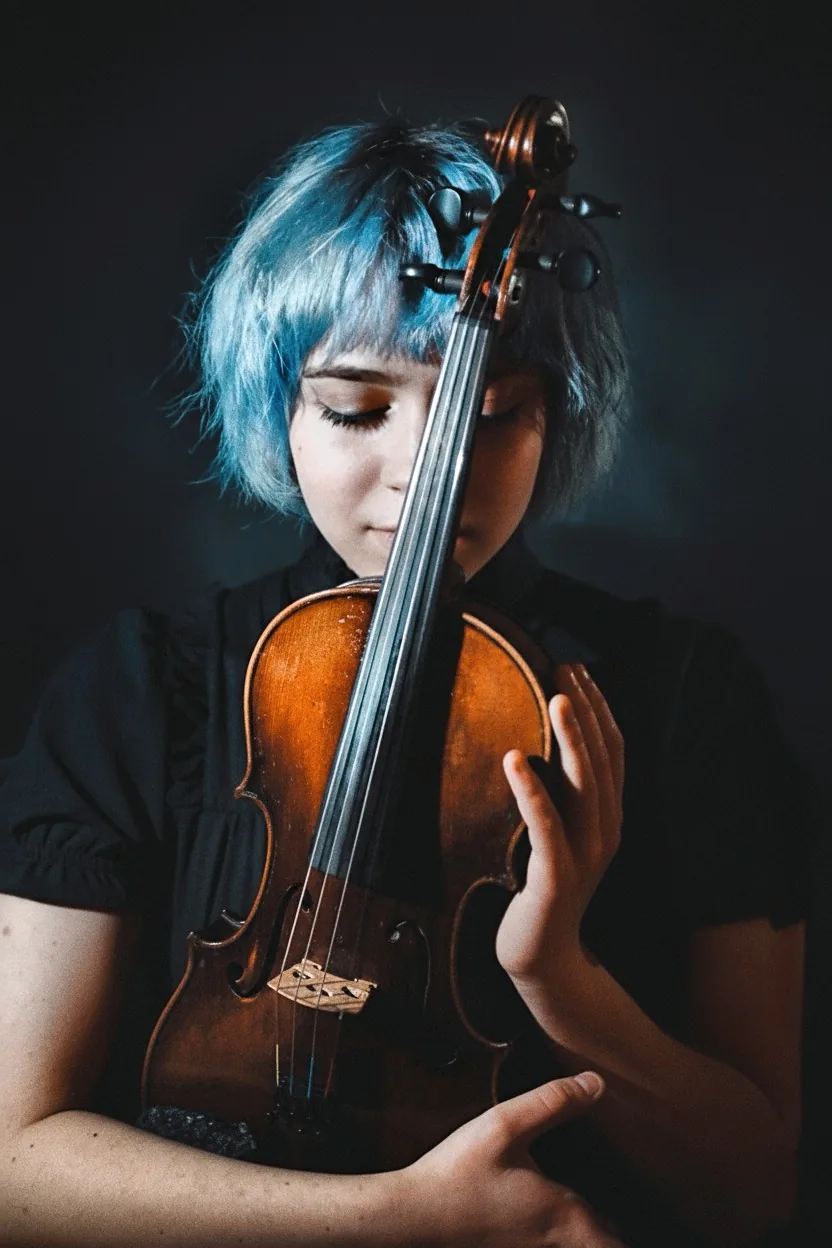
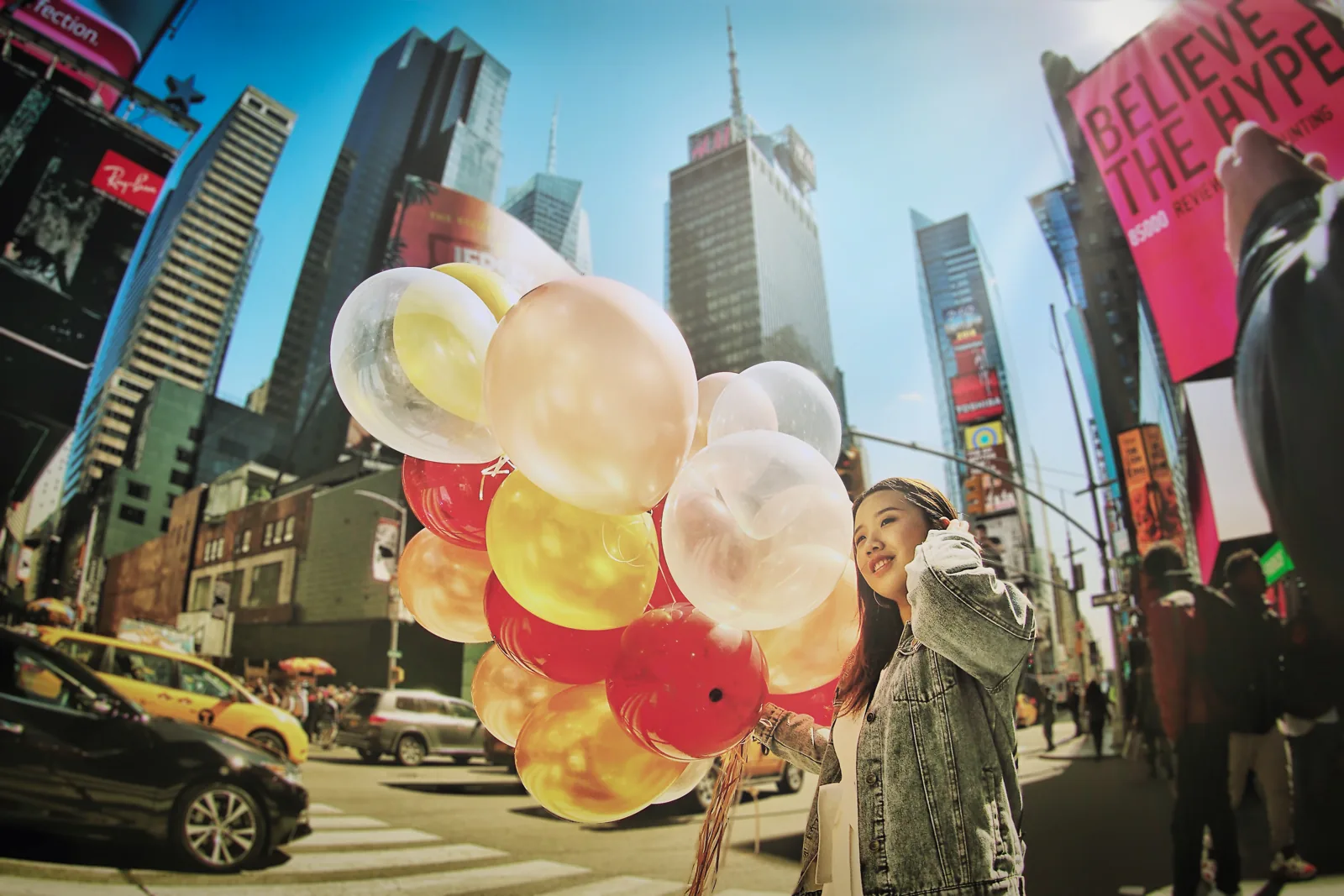
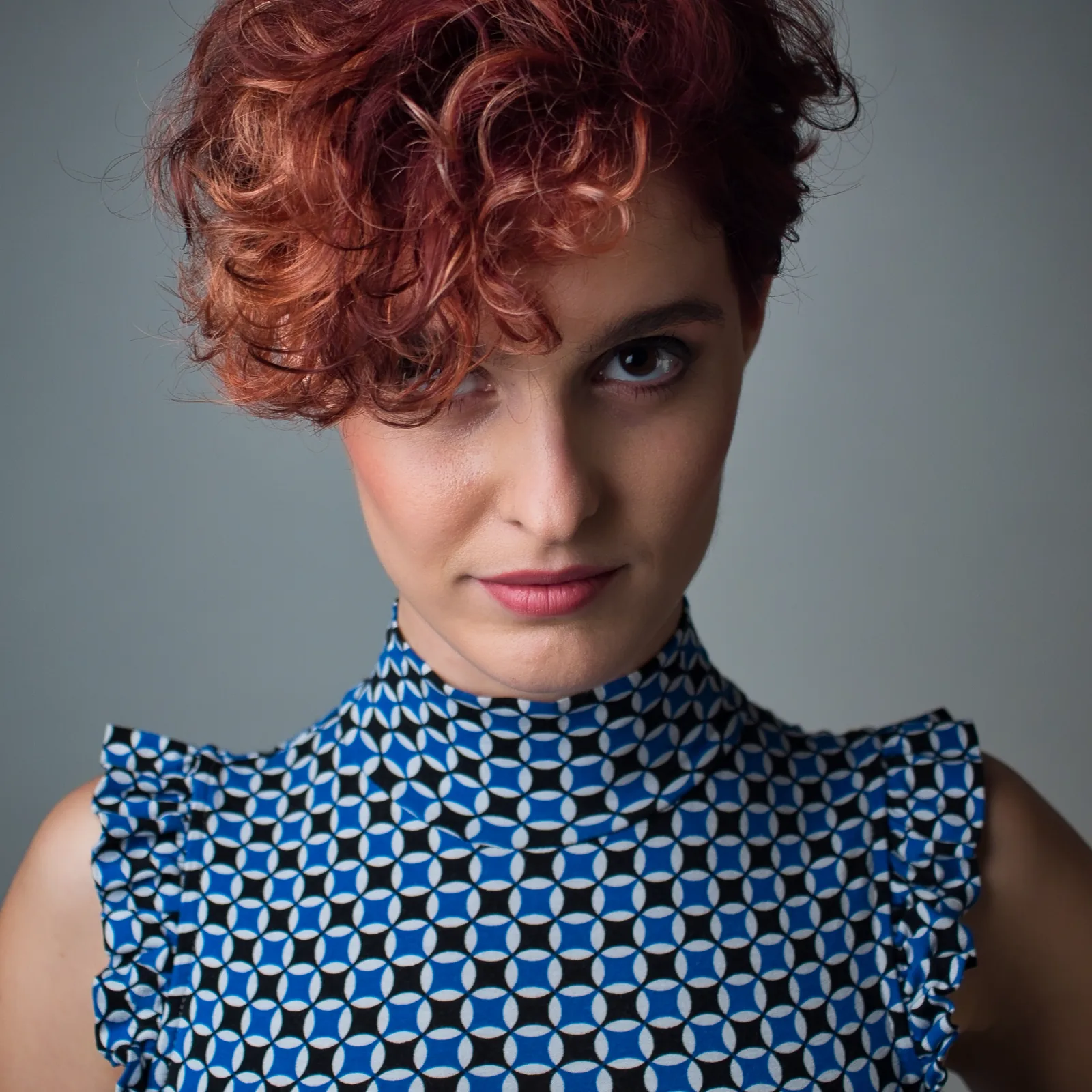
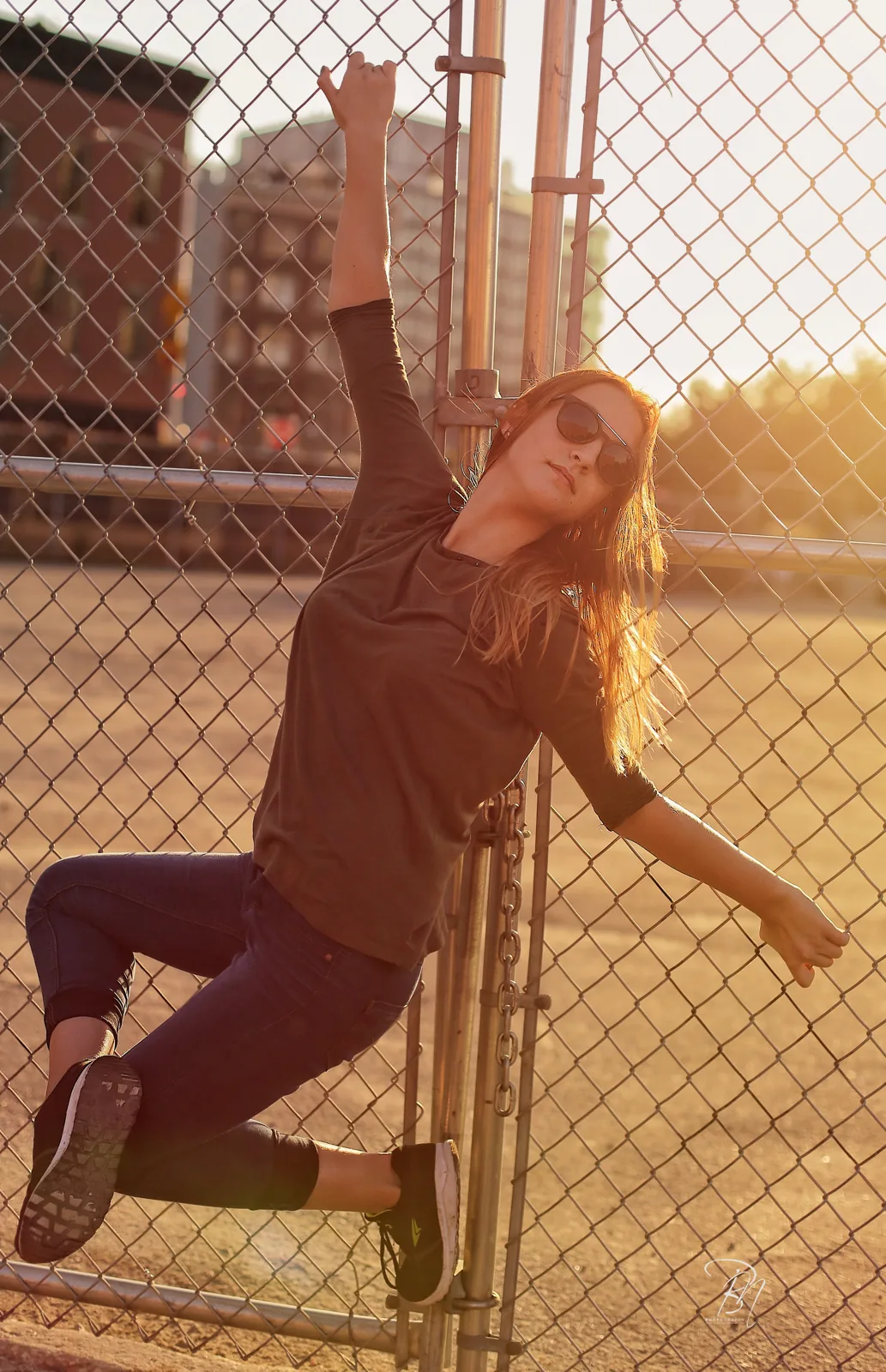
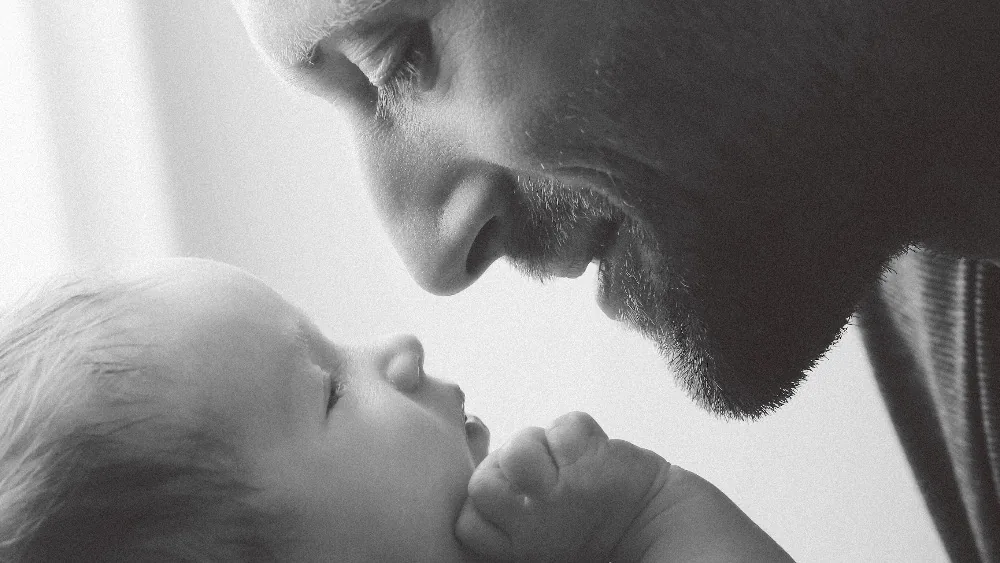
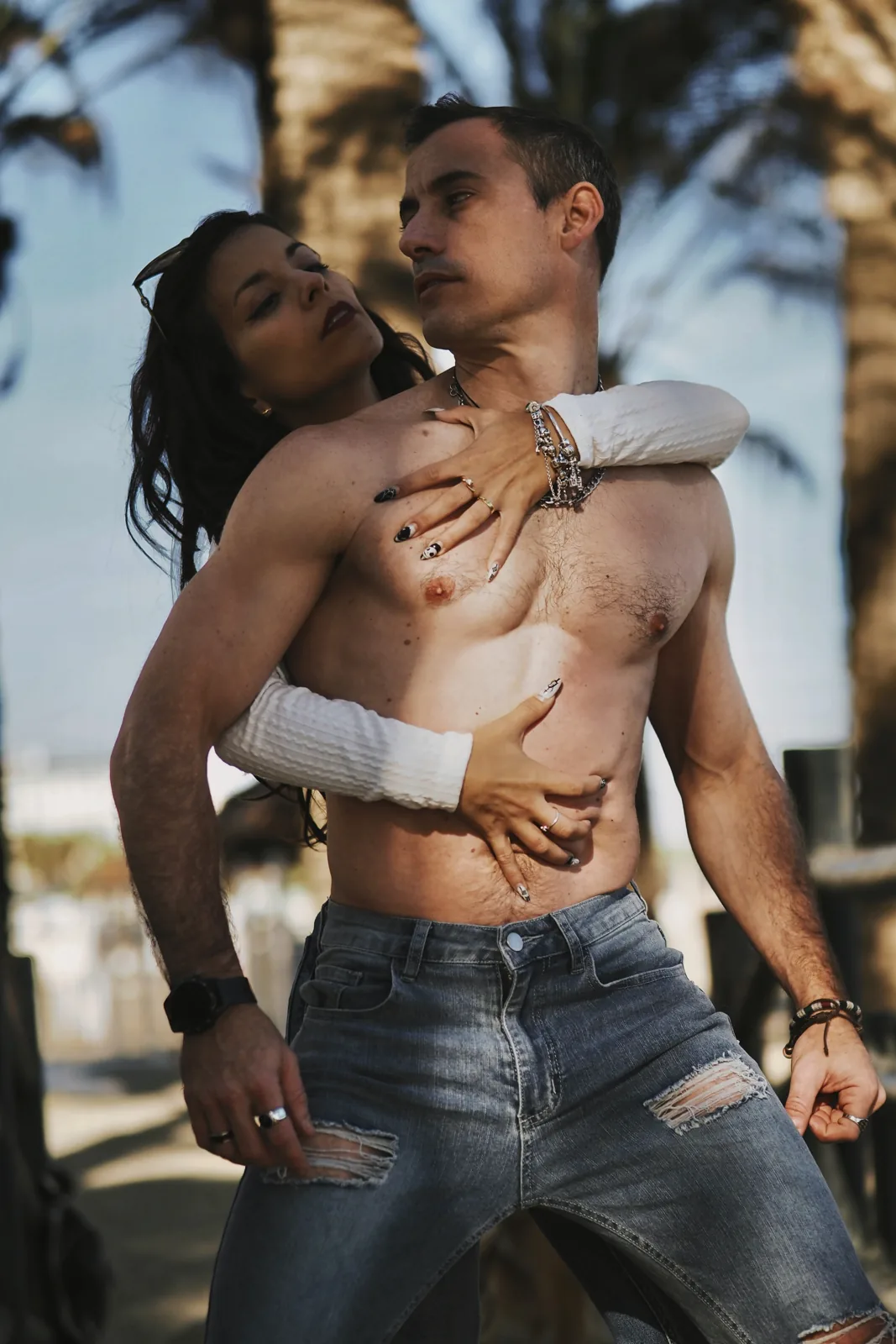
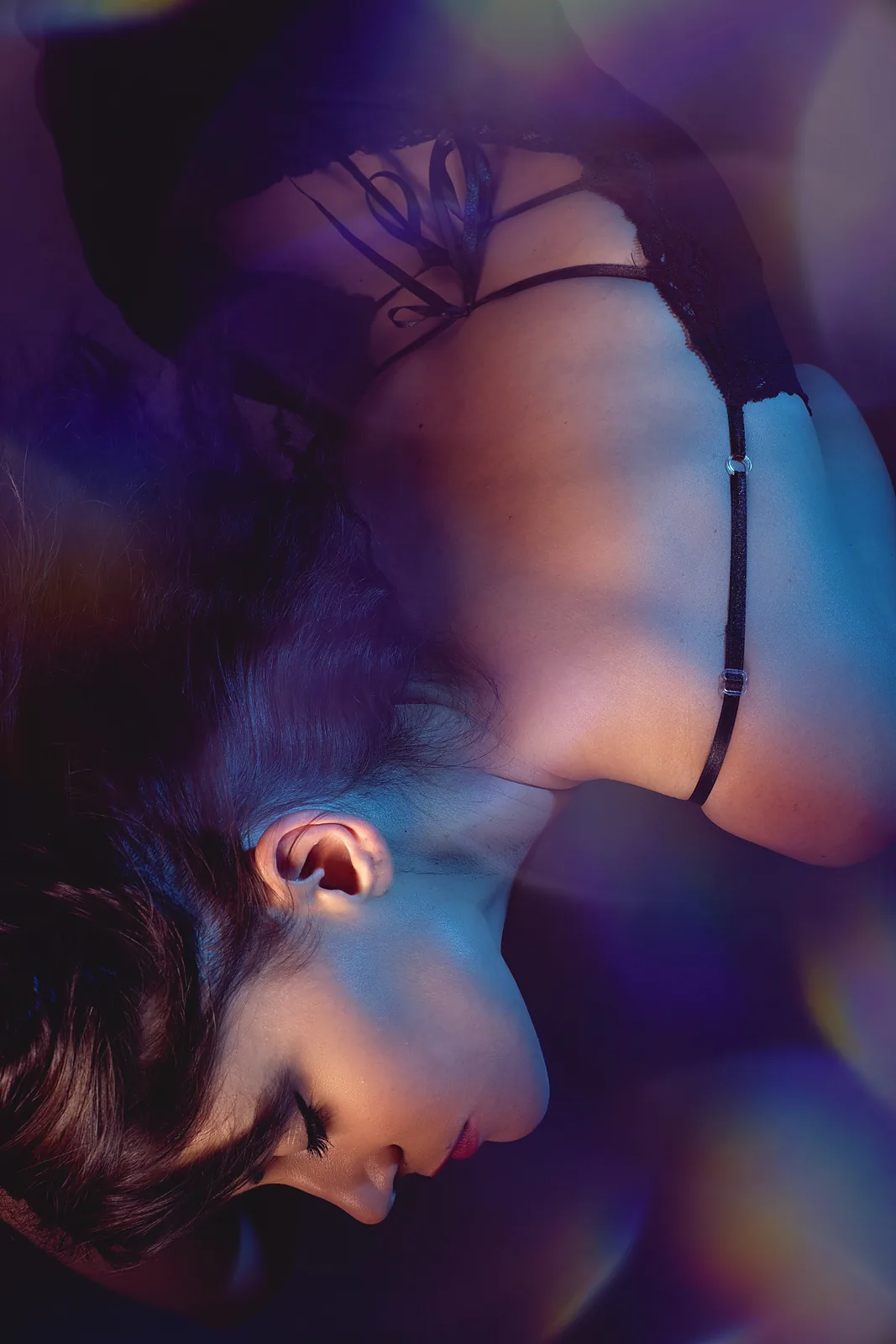
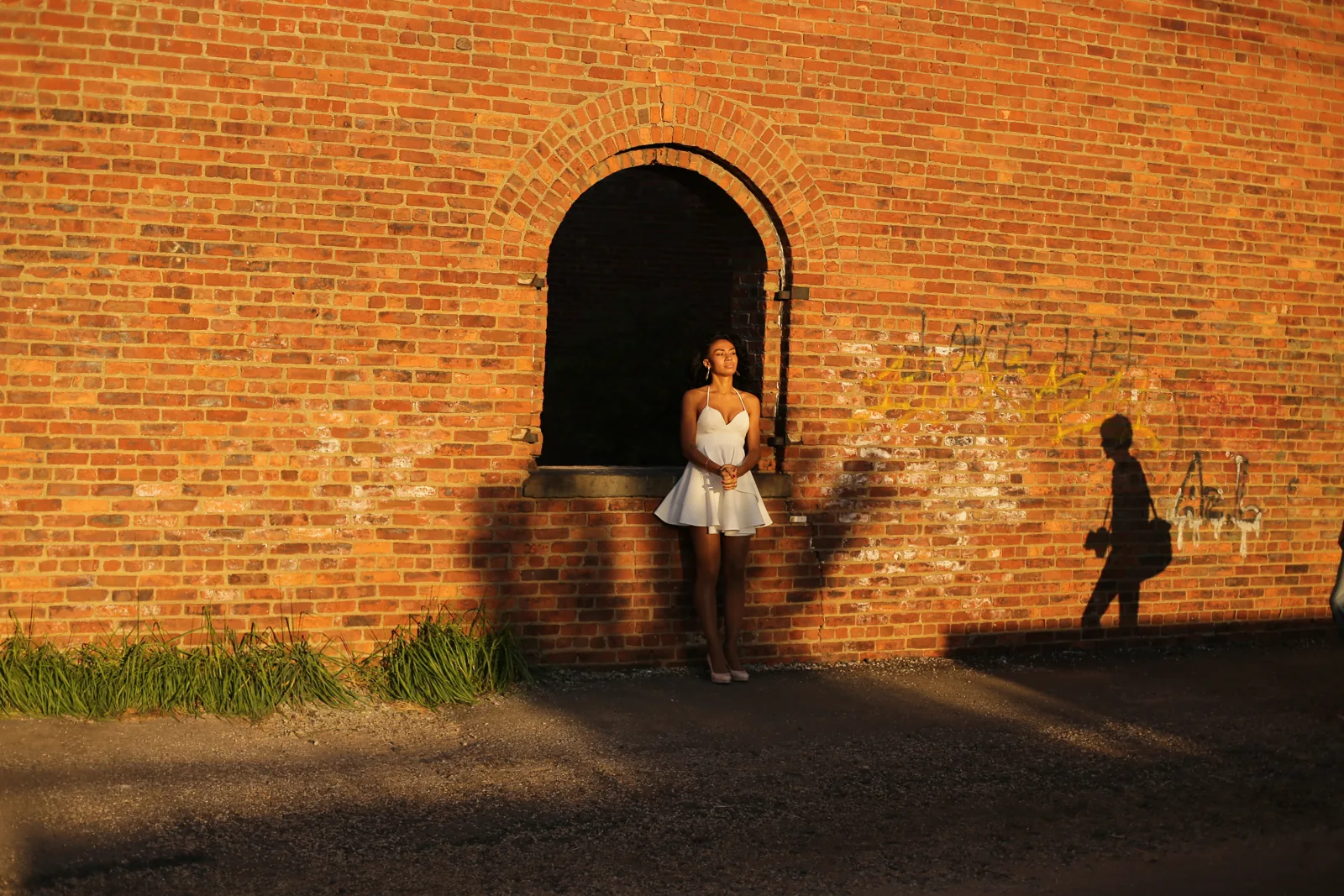
These are the photographs I return to most often. Not a list of the best ones — what has stayed with me from the portraits, commissions, streets and communities made since 1999.

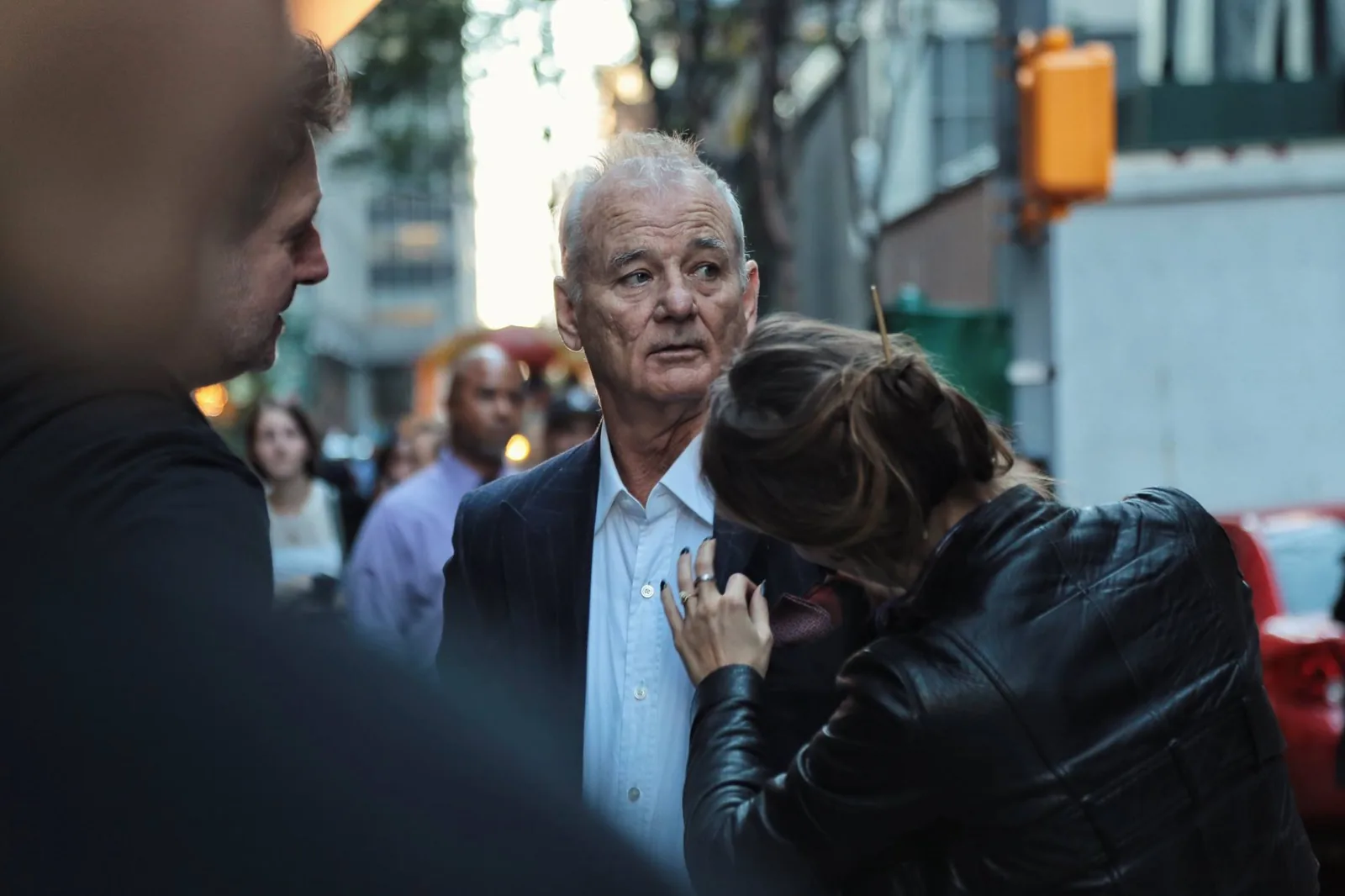
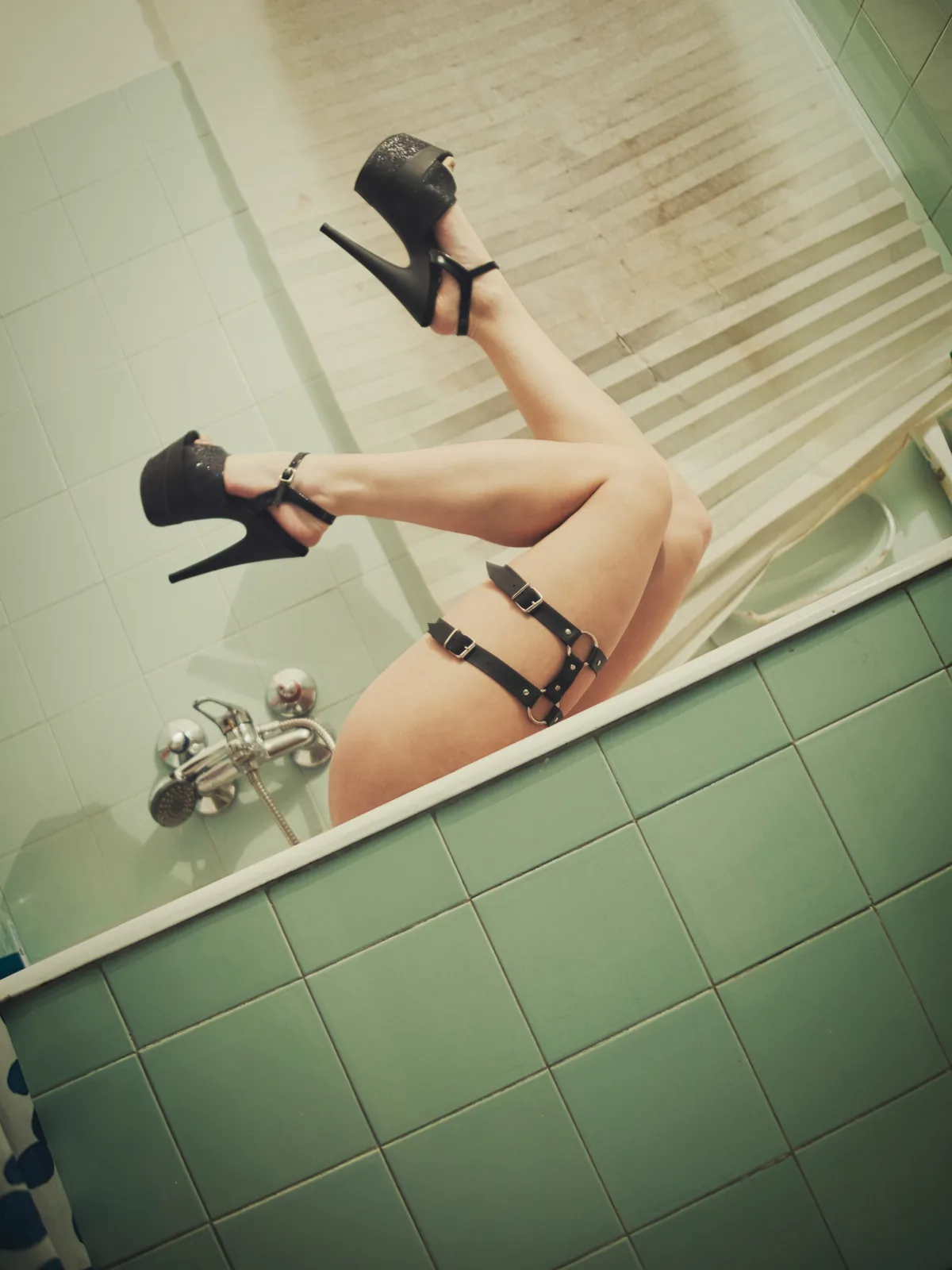
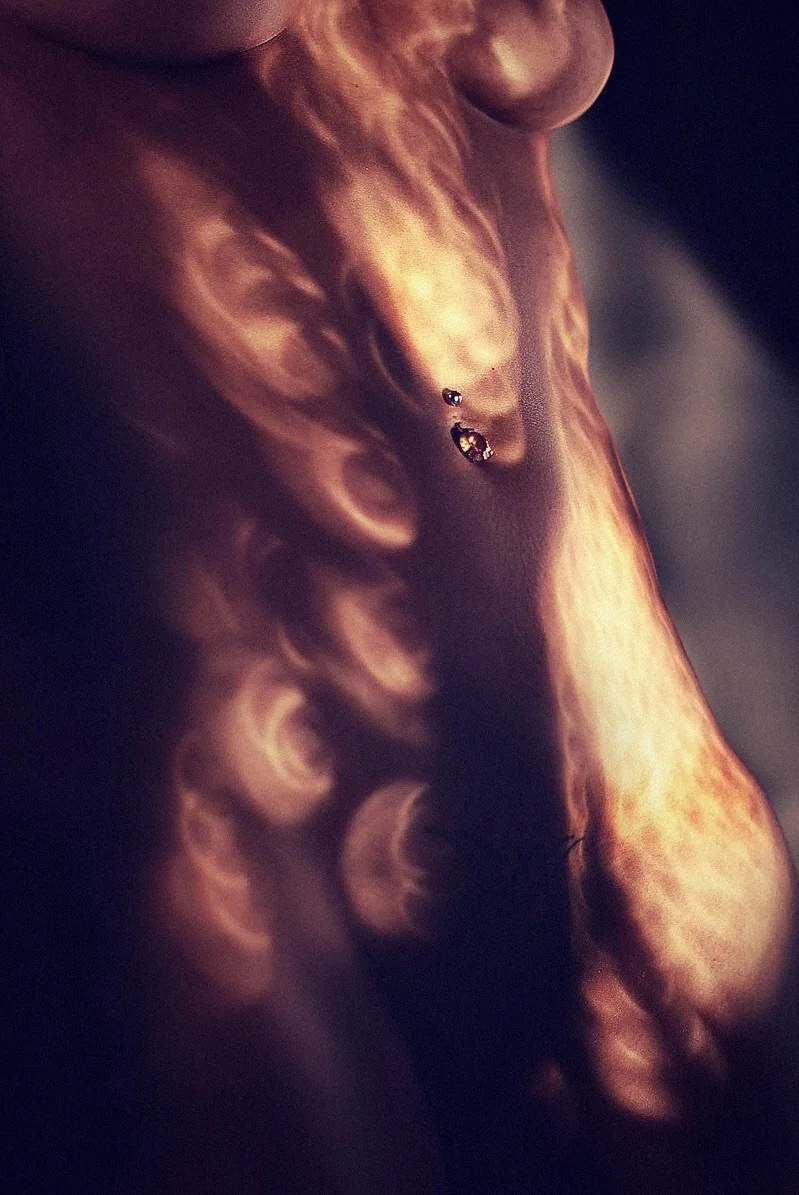
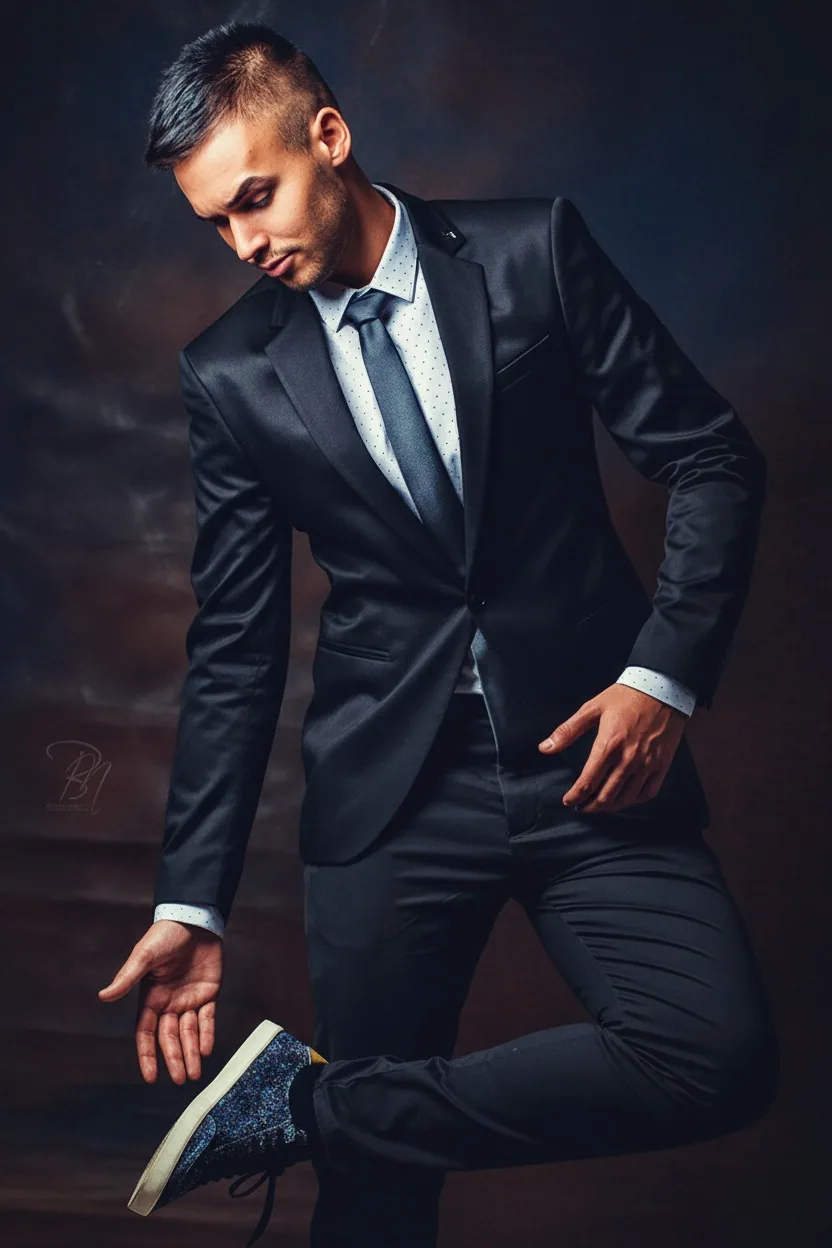


A life in photographs
I have been photographing since 1999. The subjects have changed, but the question behind the work has not: when does someone stop performing and become genuinely present?
I was born in Budapest in 1979. Today I live and work between Vienna and Budapest. I did not arrive at photography by a straight road. I studied engineering, worked in communication and events, and founded the photo studio of the Hungarian Defence Forces. Each of those places taught me something about discipline, responsibility and the difference between appearance and truth.
On my mother's side the family has Transylvanian roots — physicians, teachers and engineers — and, through the Ferenczy line, painters and designers. My mother is an interior designer and painter, and my uncle worked as a photographer in Sopron: photography was already present in the family long before I picked up a camera myself.
For a long time I treated photography as one role among many. Then an accident in Greece brought everything into focus. I did not know whether I would keep the sight in one eye, and in that uncertainty I understood that I no longer wanted to collect positions. I wanted to make the work I would still recognise as my own years later. Since then photography has not been an occupation beside my life. It has been the way I pay attention.
The people in these photographs are not illustrations of an idea. They are the reason the idea exists. Women rebuilding themselves after illness, fathers learning a different kind of strength, dancers between discipline and freedom, communities carrying memory across borders: I am interested in the moment when the role falls away and the person remains.
That same attention continues in my books, exhibitions, teaching and community work. I do not see these as separate careers. They are different forms of the same practice: creating enough space for someone, a memory or a community to become visible without being simplified.
Oeuvre structure
It did not turn on a single moment. I came to the Hungarian Defence Forces as an IT engineer and photography became a duty there; in the clubs it became portraiture; after the New York exhibition it became work of my own.
I · Origin
The starting point of the oeuvre: photography as sustained attention rather than surface description.
II · Human stories
New York, women’s stories, fatherhood and the portraits connected to 1956 made individual testimony central.
III · Body and recovery
Awakening, Snippets and The World of Woman brought illness, vulnerability, recovery and dignity into one continuous field of work.
IV · Institutions and communities
Books, exhibitions, curatorial work, teaching and the Vienna photo community extended the practice beyond the individual photograph.
V · Public and leadership presence
The later work examines how a person remains recognisable within public, professional and historical roles, including executive portraiture and the EUFÓRIA portrait.
Career arc
This is not a row of isolated dates. Each period shows what happened, which books or exhibitions grew from it, and how the work entered public reception.
01 · 1979–1998
I was born in Budapest. On my mother’s side, painting, design, handcraft and photography were present across several generations. This did not give me a ready-made artistic career, but it made visual thinking feel natural.
No artificial external evidence is retroactively claimed for this early period.
02 · 1999–2006
I took part in the MOL Y2K project as an IT specialist. Digital image-making entered my life there: on my own initiative, I began photographing the project with a basic 1.3-megapixel digital camera. I later worked in information technology and telecommunications at the Hungarian Defence Forces Command for Communications and Information Systems while documenting internal events. The beginnings of HIPStudio grew from this combination of technical and documentary experience.
No artificial external evidence is retroactively claimed for this early period.
Author recollection
03 · 2006–2013
HIPStudio continued independently. We documented clubs, radio stations, automotive events and occasions at the Hungaroring. Nights that lasted until dawn, rapidly changing situations and tens of thousands of human encounters taught me that a good portrait begins not with a face, but with trust.
04 · 2014–2016
Alongside commissioned work, I began making personal projects about women’s stories, fatherhood and shared history. New York was more than a location: it changed how I saw the relationship between a person, a city and public space.
05 · 2017–2018
During Snippets, Awakening and The World of Woman, photography became a book, an exhibition and a shared language. Personal experience, beginning again after illness, the body, intimacy and turning points in women’s lives appeared as connected parts of one inquiry.
06 · 2018–2022
The OM SYSTEM ambassador role, experiments with digital exhibition formats, ballet, education and community projects expanded the role of photography. A work was no longer only made; it began to operate in institutional and communal situations.
07 · 2023–2026
Working between Vienna and Budapest brought my art, community projects and portrait work closer together. Touch, I Am the Woman, Different Image / Different and Femme Fatale look at the body, identity and human connection from different sides.
08 · Present
BANHALMI ART brings my projects, books, exhibitions, interviews and films together in one place. The art archive and my professional website serve different needs, but both grow from the same life and work.
09 · 2026–2027 · in development
EUFÓRIA brings together the lifelong duality of artistic and applied photography. The project includes the portrait of Péter Magyar made on 15 March 2026 at Heroes’ Square in Budapest. The archive treats the image only within the EUFÓRIA context; its public source and authorship attribution are inspectable in the Wikimedia Commons record.
Publications
Three books, and none of them a by-product of an exhibition. Awakening was made with Dr. Magdolna Dank, Erika Elek and the psychiatrist Imre Csernus; the text of The World of Woman came from Miklós Vámos and Éva Lénárt. The words of the people photographed were kept alongside the pictures — which makes these three the most precise personal documents I have.
A photographic book about twelve women reclaiming life after gynaecological cancer. Their portraits, scars and own words make recovery visible without turning it into spectacle.
ISBN 978-963-12-8663-2A collaborative book in which poetry, performance, photography and moving image meet. What began as an experiment among friends became a printed record of how one work can be experienced through several senses.
ISBN 9786150000534Nine stages of a woman’s life are brought together through portraits, literary reflection and personal testimony. The book follows change without prescribing a single definition of womanhood.
ISBN 978-615-00-1829-41999 — 2027
Twenty exhibitions between 2014 and 2027, from Budapest to New York, Vienna and Tihany. Each began in a specific situation: thirty-one women photographed without retouching, men becoming fathers, 1956 refugees in New York, ballet students mid-rehearsal, portraits generated by artificial intelligence. Not a ranking — a chronology.
Exhibition in development · November 2027
There is a duality that has run through my whole life. I am an applied photographer — and an artist.
2 March 2025 · CITYgalleryVIENNA, Vienna
An archetype everyone thinks they know. Together with the women I worked with in Vienna we read it again from the beginning — and found something much more interesting than the cliché.
Veszprém
Zsófia Szele writes poems about chronic illness and caregiving, and I answered them with photographs. Quiet work, made in Veszprém, about the kind of endurance nobody applauds.
14 February 2024 · Vienna · 15 May 2024 · Munich · Everness, Siófok
Touch has been under suspicion for far too long. In Vienna and Munich I photographed tantra massage as what I actually found it to be: warm, gold-toned, unhurried care for another human being.
Bewusst Sein Im Fokus, Vienna
No single definition of womanhood survived this project, thank goodness. It became a collective mosaic — many women, many contradictions, no conclusion offered.
Rege Gallery, Tihany
I generated portraits with artificial intelligence and hung them on the wall as though they were true. People believed them — and that was precisely the point.
Club Skinos, New York
I was the first Hungarian photographer to take fine-art nudes onto the blockchain, and I did it with a charity auction in a Manhattan club.
Rege Gallery, Tihany
For my twentieth year in photography I did something slightly perverse: I printed nothing.
Rege Gallery, Tihany
With the Hungarian National Ballet Institute we looked at what it actually costs to become someone. The discipline, the falls, the blisters, the getting up again at six in the morning while other children sleep.
2017–2018 · Budapest · Noszvaj · Veszprém
The project closest to my heart, and the hardest one to talk about without a lump in my throat. Women living after gynaecological cancer, photographed with their scars — not as wounds, but as proof of survival.
7 September 2018 · Stefánia Palace, Budapest
Nine transitions every woman passes through — puberty, motherhood, menopause, ageing, all the stations the fashion world pretends do not exist.
Long Island, New York
Ballerinas fascinated me not on stage but off it. On rooftops, on crosswalks, in the two seconds before a taxi horn.
25 January 2018 · City Hall, Budapest
A group show in Budapest City Hall where my New York photographs represented Gödöllő, of all places. I rather enjoyed the irony of that — a small Hungarian town speaking through pictures of Manhattan.
3 September 2017 · Stefánia Palace, Budapest · later toured in Hungary
A game between friends that got beautifully out of hand. Vincent & Vincent wrote, Olga and Péter performed, I photographed, and somewhere in the middle it turned into a travelling show that kept reinventing itself in every town.
Bálna, Budapest
The most personal one. When my own world turned upside down, I did the only thing I know how to do: I picked up a camera and pointed it at other men standing in the same storm.
Hungarian House, New York
In New York I met people who carried 1956 in their pockets. Literally: photographs, a key, a christening spoon — the one object they grabbed on the way out.
Stefánia Palace, Budapest
One woman is never just one woman. That was the whole starting point.
Stefánia Palace, Budapest
This was my first real statement, and I still stand by every word of it. Thirty-one women, no retouching, no tricks, no digital surgery.
Millenáris Velodrom, Budapest
Pin-up usually gets treated as nostalgia, or worse, as a costume you rent for an afternoon. I never saw it that way.
Hungarian House, New York
New York changed the way I see. Not the way I shoot — the way I see.
Contact
Studio enquiries, exhibitions & print sales
1111 Budapest, Hungary · Doorbell 8
1010 Vienna, Austria · Doorbell 9
+43 677 616 55592 WhatsApp
The professional side
Current executive portrait, visual branding and corporate photography commissions are presented on the professional BANHALMI website.
Sources and documentation
A Wikipedia entry, a Wikimedia Commons category, a Wikidata identifier and a press archive — so that what is claimed here can be checked.
I use Google Analytics to see how many people find this site. Nothing else, no advertising, no profiling. May I? Privacy