
Beyond the public role
Digital documentation, portrait work and institutions taught me to look for the person behind a role.
Searching for presence my whole life. · Since 1999
I’m Norbert Bánhalmi, a photographer working between Vienna and Budapest. Since 1999, I have looked for the moment when the role falls away and the person remains.
Photographic works and projects
Since 1999 I have photographed people in many situations — documentation, recovery, streets, books, exhibitions and commissioned portraits. The subjects changed; the attention did not. BANHALMI ART keeps those works and their sources.
Read the curatorial proposition → EUFÓRIA — The Anatomy of Presence →
A glass of wine, one honest sentence
“I never became interested in perfect faces. I became interested in the moment when a person forgets the camera and something real finally appears.”
The pictures I keep returning to
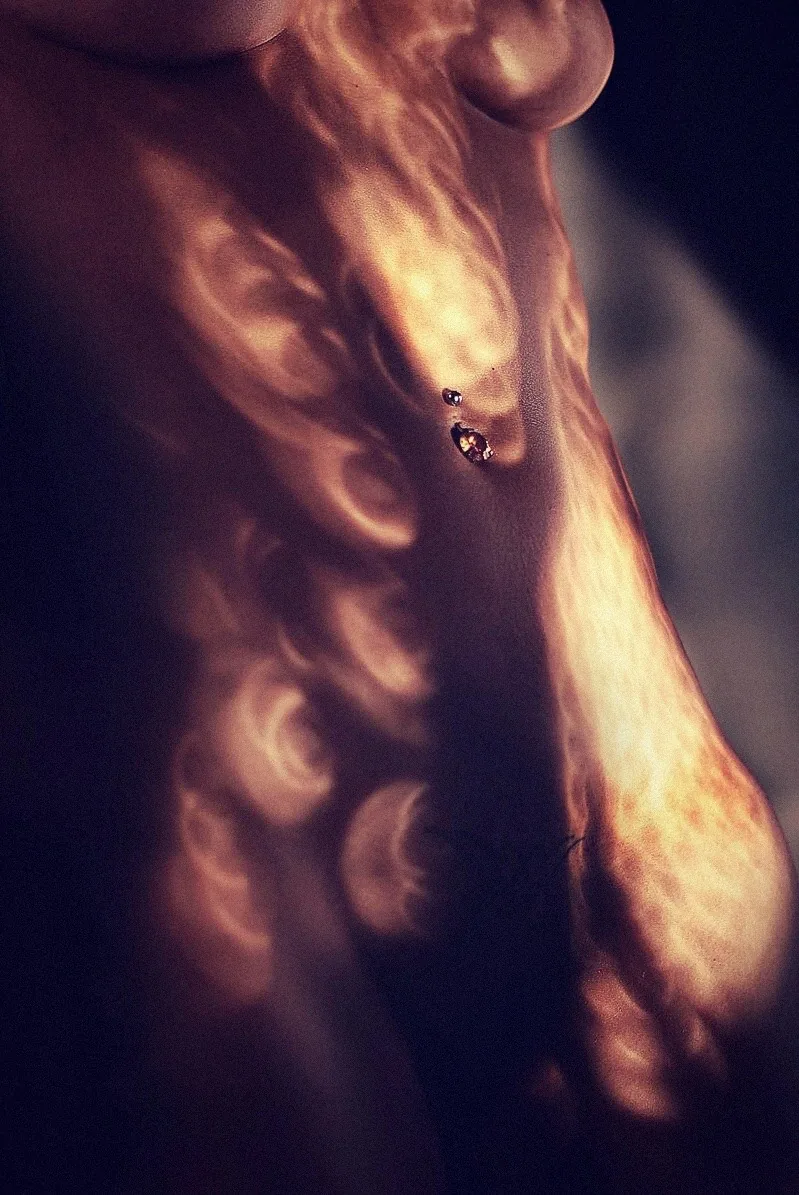
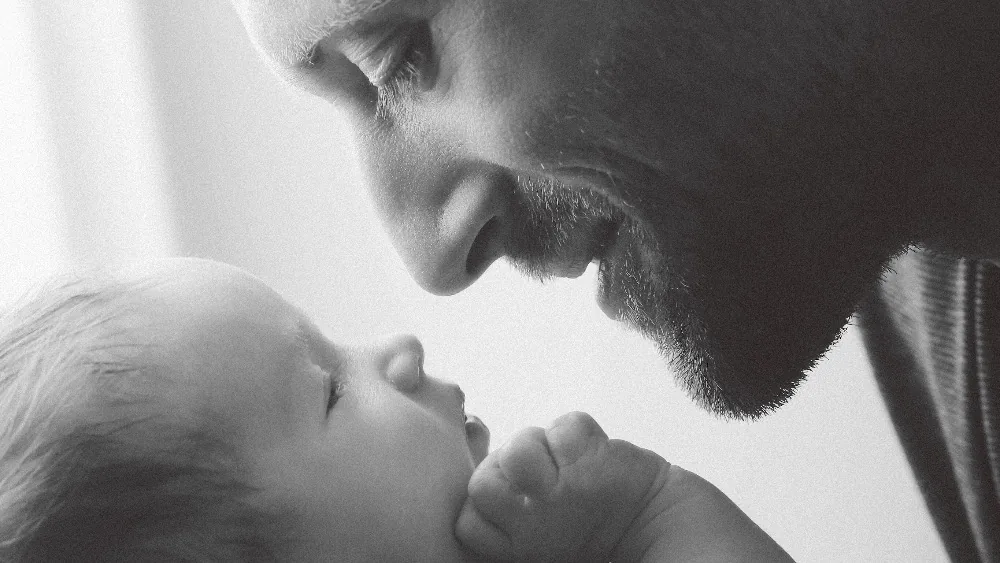
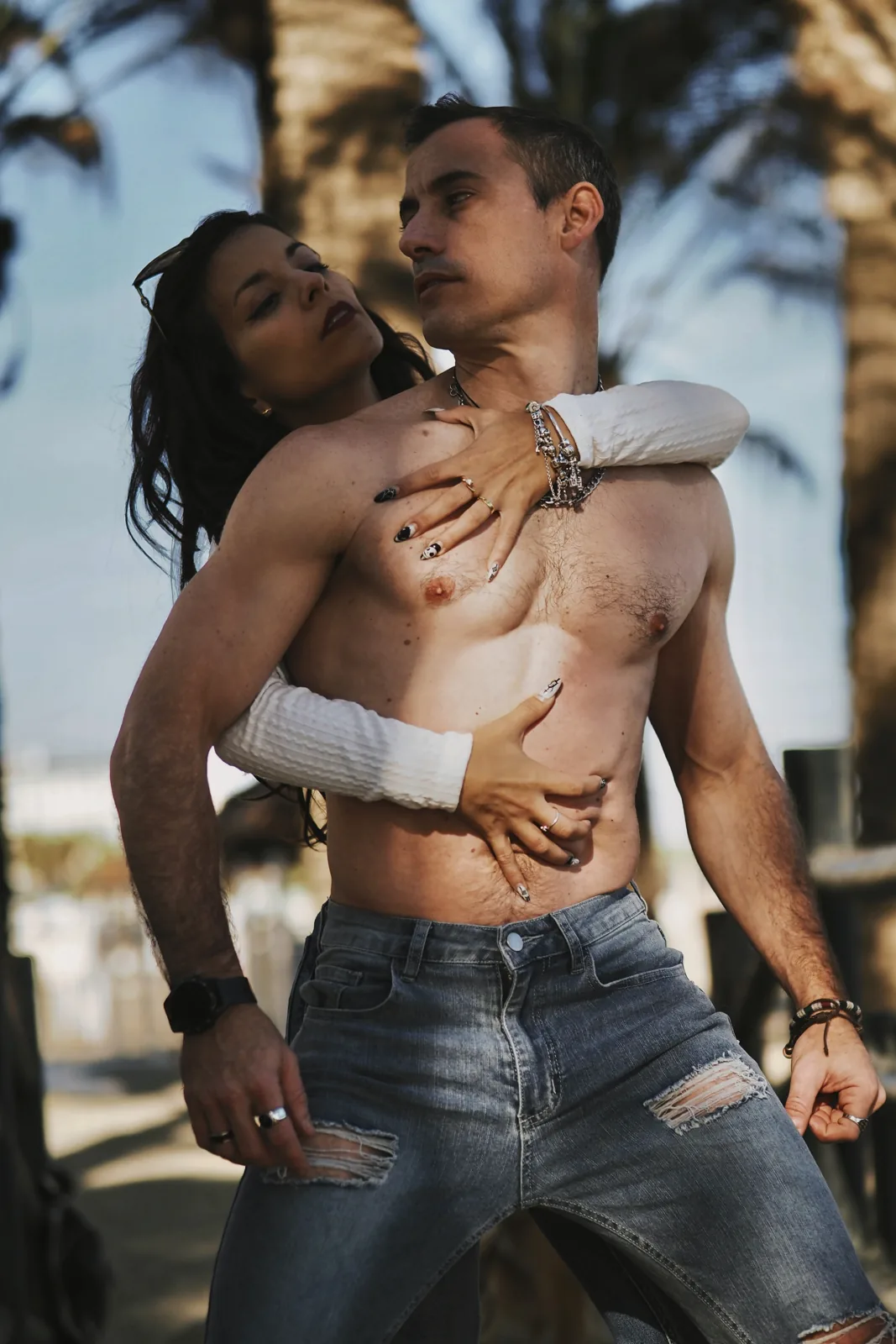
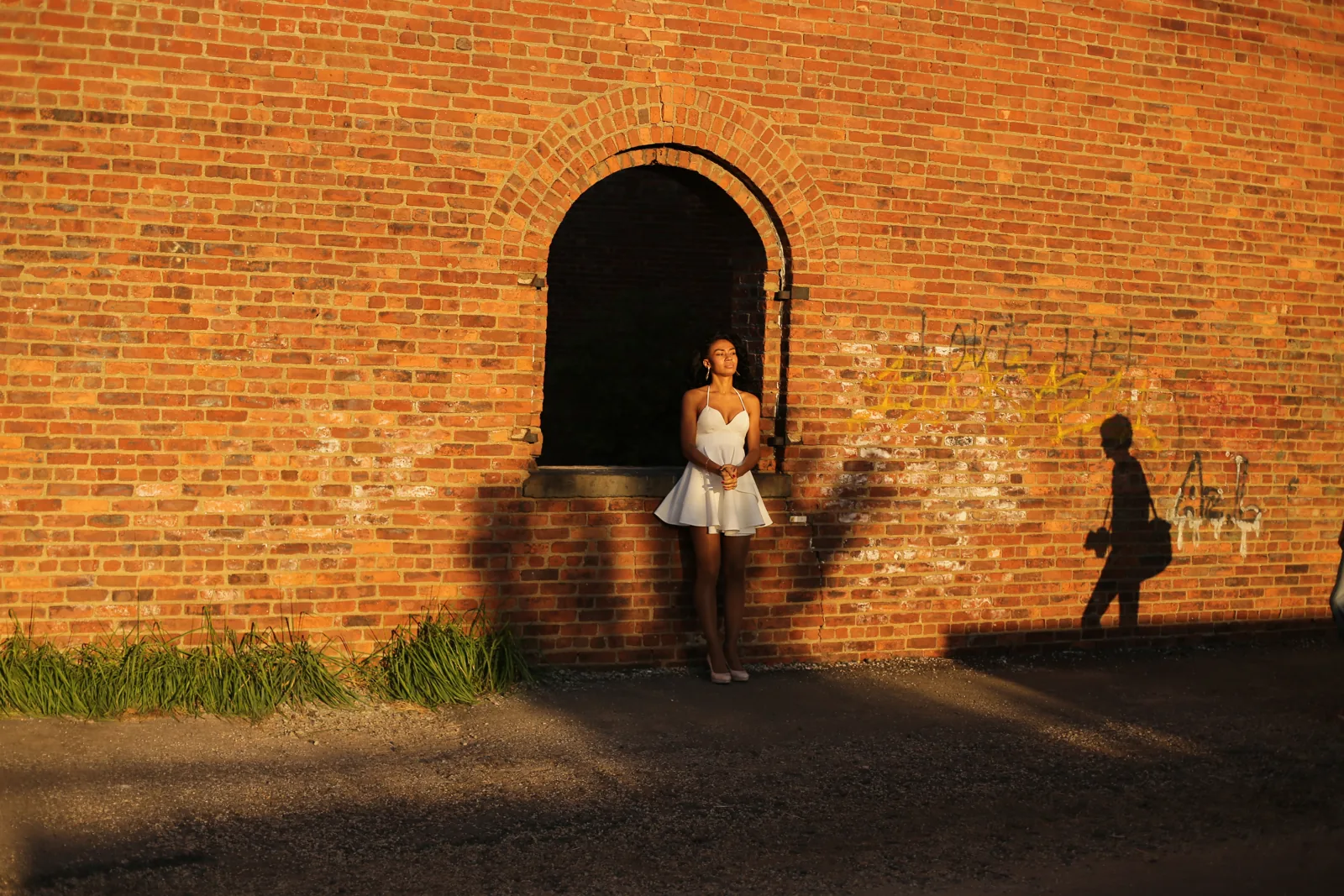
I have photographed people since 1999 and now work between Vienna and Budapest. The setting matters, but the person matters more. I look for moments in which someone can be present naturally, with their own story.

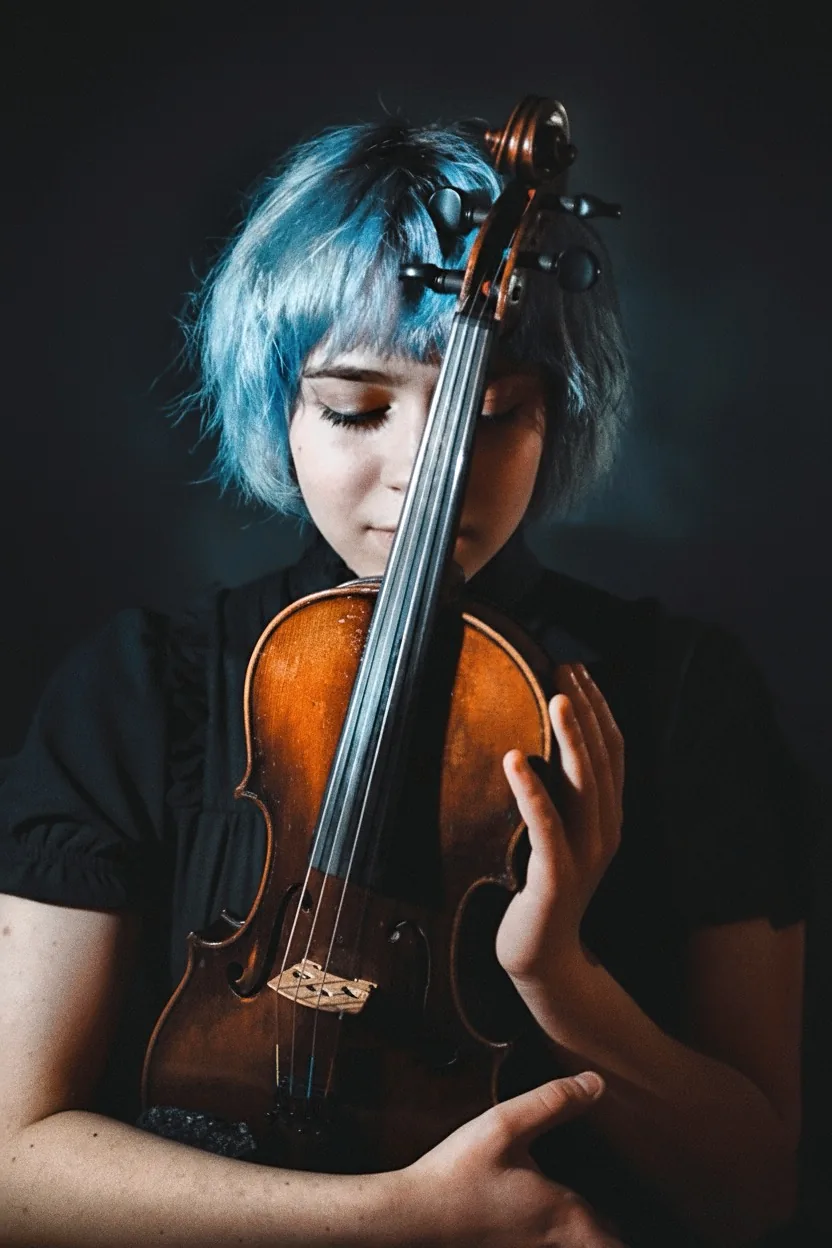
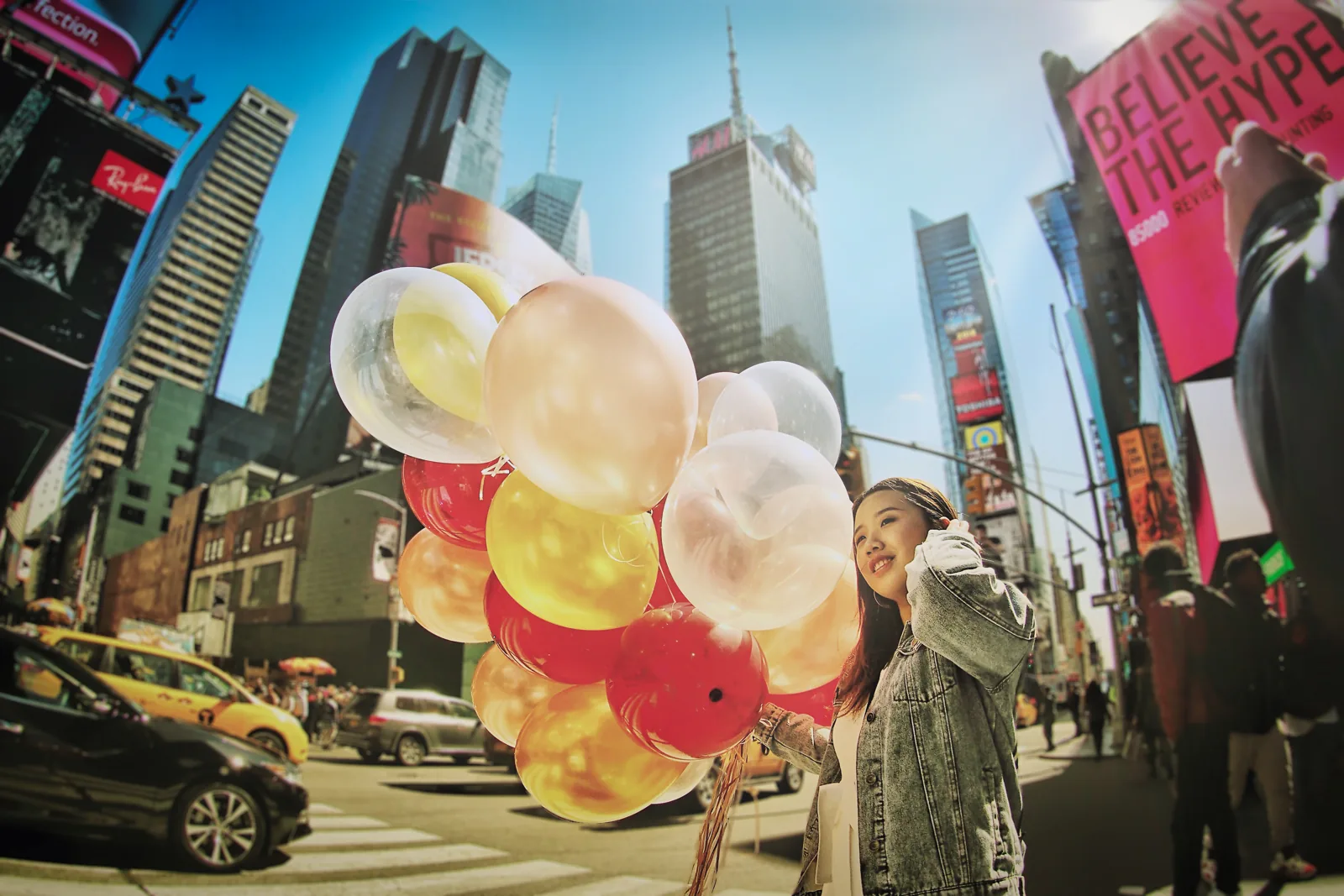

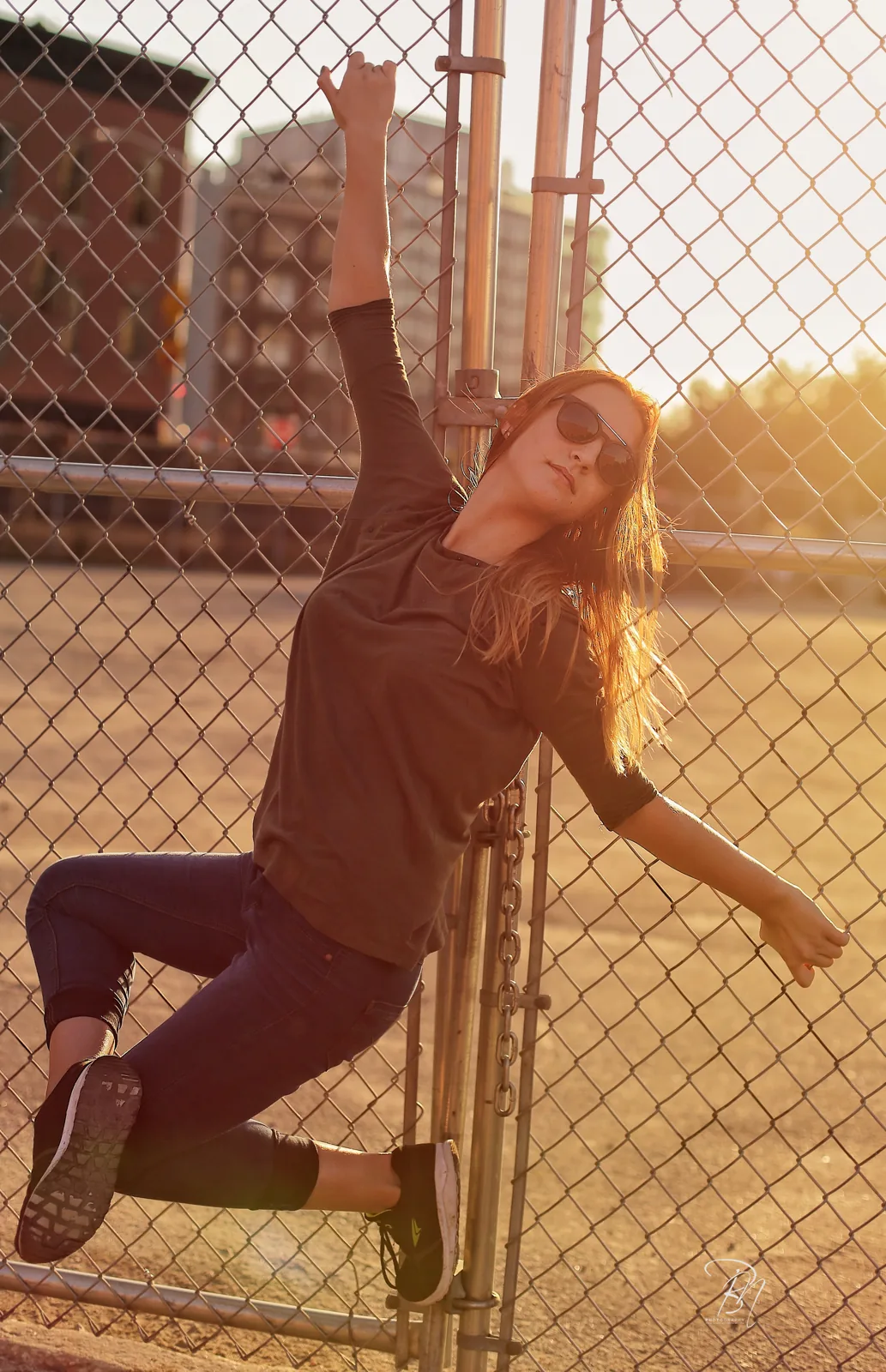
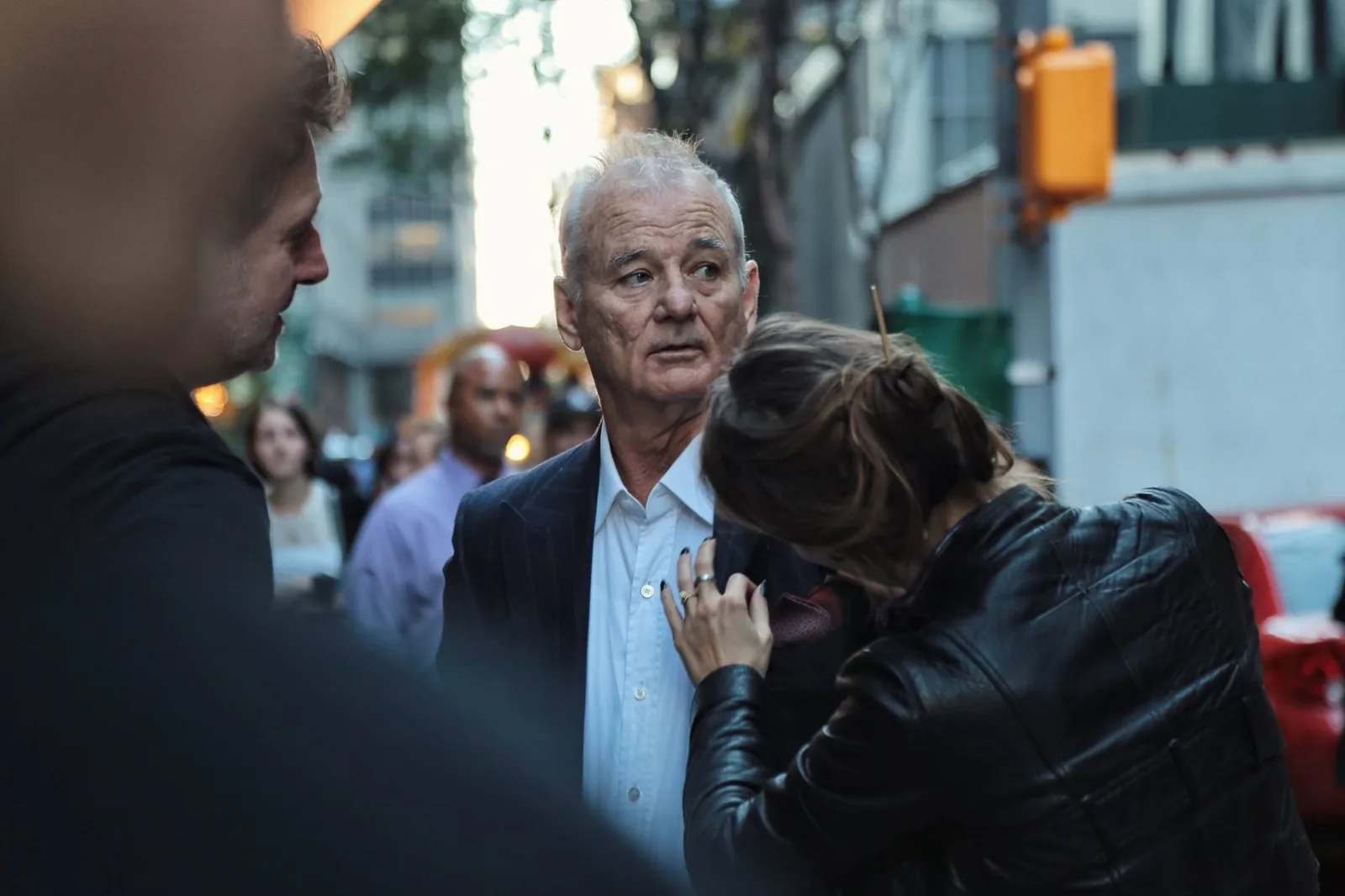





A life in photographs
I have been photographing since 1999. The subjects have changed, but the question behind the work has not: when does someone stop performing and become genuinely present?
I was born in Budapest in 1979. Today I live and work between Vienna and Budapest. I did not arrive at photography by a straight road. I studied engineering, worked in communication and events, and founded the photo studio of the Hungarian Defence Forces. Each of those places taught me something about discipline, responsibility and the difference between appearance and truth.
On my mother's side the family has Transylvanian roots — physicians, teachers and engineers — and, through the Ferenczy line, painters and designers. My mother is an interior designer and painter, and my uncle worked as a photographer in Sopron: photography was already present in the family long before I picked up a camera myself.
For a long time I treated photography as one role among many. Then an accident in Greece brought everything into focus. I did not know whether I would keep the sight in one eye, and in that uncertainty I understood that I no longer wanted to collect positions. I wanted to make the work I would still recognise as my own years later. Since then photography has not been an occupation beside my life. It has been the way I pay attention.
The people in these photographs are not illustrations of an idea. They are the reason the idea exists. Women rebuilding themselves after illness, fathers learning a different kind of strength, dancers between discipline and freedom, communities carrying memory across borders: I am interested in the moment when the role falls away and the person remains.
That same attention continues in my books, exhibitions, teaching and community work. I do not see these as separate careers. They are different forms of the same practice: creating enough space for someone, a memory or a community to become visible without being simplified.
Five connected periods tell how photographing people evolved from documentation to questions of identity, memory, the body and public presence. Follow each stage through its work and documented context.
Digital documentation, portrait work and institutions taught me to look for the person behind a role.
Real Women and Milestones ’56 connected personal identity with migration and remembered history.
Awakening explored illness, self-image and recovery alongside the people who lived through them.
Books, exhibitions and digital spaces gave photographs new contexts. The menopause book began around 2022 and was published in 2026.
Teaching, Touch and shared projects led toward EUFÓRIA, a work in progress on portraits in public life.
Publications
Five books bring together personal testimony, literature, collaboration and photographic work. The 2019 Fabulous Book (Mesés könyv) joins the three earlier titles and the 2026 Menopause Is Sexy (A menopauza szexi) as distinct records of collaborative publishing.
A photographic book about twelve women reclaiming life after gynaecological cancer. Their portraits, scars and own words make recovery visible without turning it into spectacle.
ISBN 978-963-12-8663-2A collaborative book in which poetry, performance, photography and moving image meet. What began as an experiment among friends became a printed record of how one work can be experienced through several senses.
ISBN 9786150000534Nine stages of a woman’s life are brought together through portraits, literary reflection and personal testimony. The book follows change without prescribing a single definition of womanhood.
ISBN 978-615-00-1829-4A 2019 Hungarian LGBTQ-themed literary anthology by Hayden Moore, Carol Souya and Becca Prior, with photographs by Norbert Bánhalmi.
ISBN 978-615-6030-04-7 · newkids · 160 pagesA menopauza szexi brings ten women's candid accounts of menopause together with colour photographs. A book about changes in self-image, presence and the possibility of a new beginning. The book project began around 2022 and reached publication in 2026 after several years of writing.
ISBN 978-615-6748-47-8 · Stílus és Technika Kiadó · 284 pagesThe complete exhibition route remains available from the homepage without repeating each exhibition essay here.
Archive correspondence
For curatorial enquiries, exhibition proposals, archival research and permission to reproduce artworks, write directly to the artist.
Sources and documentation
A Wikipedia entry, a Wikimedia Commons category, a Wikidata identifier and a press archive — so that what is claimed here can be checked.
I use Google Analytics and Microsoft Clarity to understand how people use this site and improve navigation and the archive experience. Both load only after your consent; advertising storage remains disabled.
